Nepal Engineering College
Affiliated to Pokhara University
Affiliated to Pokhara University
Present your entrance information in a professional and easy-to-navigate structure.
All admission updates and announcements can be managed dynamically from the admin panel.
Show complete information about every academic program with seats, duration, and eligibility.
Display scholarship opportunities and entrance-related support in a clear and attractive way.
Keep students informed with the most recent notices, schedules, and admission announcements.
Highlight scholarship options for deserving and eligible students.
Merit-based scholarship for top entrance performers
Reserved scholarship as per college and university rules
Nepal Engineering College offers diverse programs in engineering, architecture and allied technical disciplines.
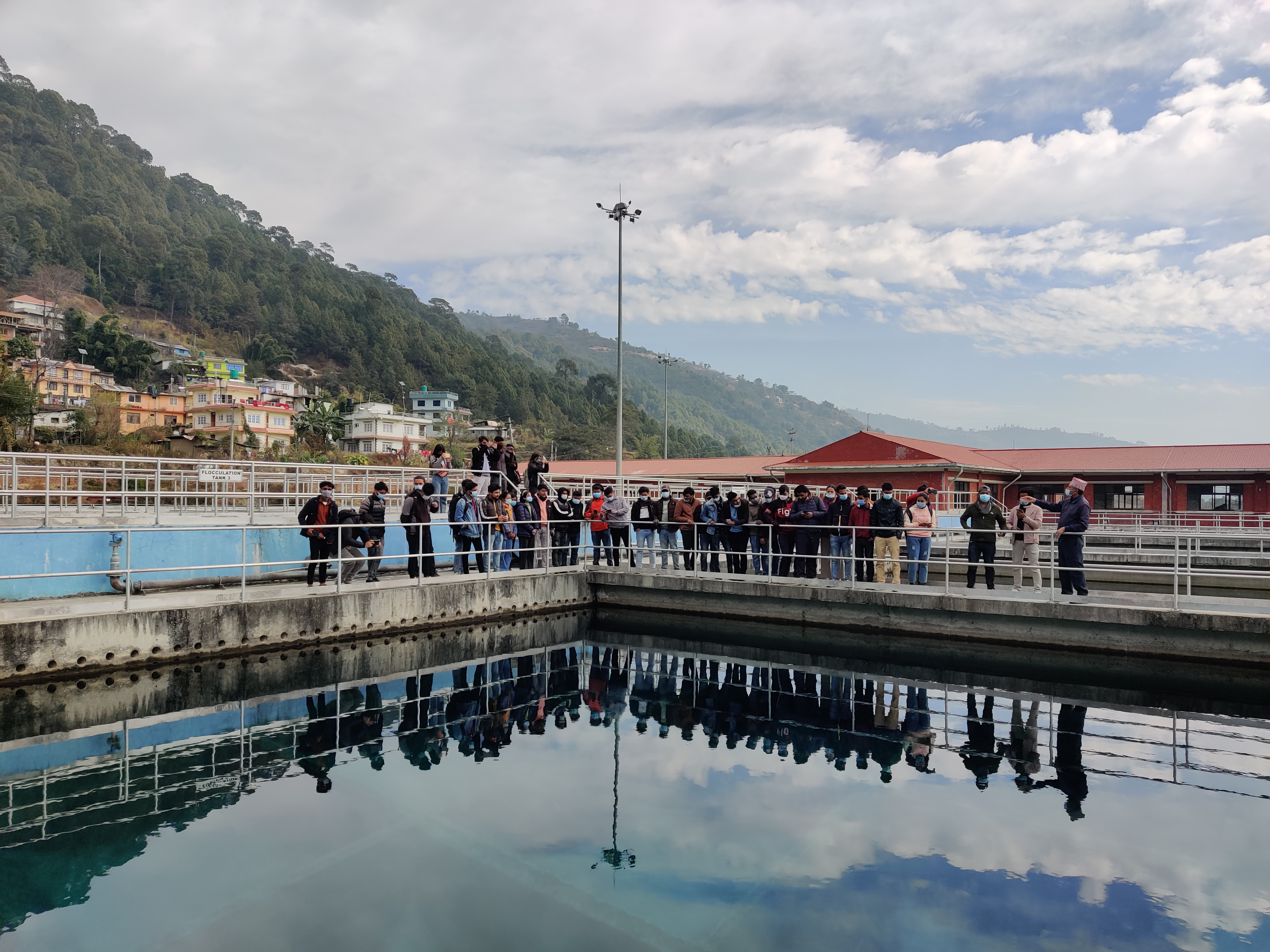
Designed to train engineers in infrastructure development, covering structures, water, transportation, environment, and surveying.

Designed for diploma graduates to enhance expertise in sustainable infrastructure and smart civil engineering practices.

A fusion of computer science and electronics, this program prepares students to innovate in software, hardware, and embedded systems.

A five-year program focused on planning, design, and conservation of built environments with aesthetics, sustainability, and comfort.
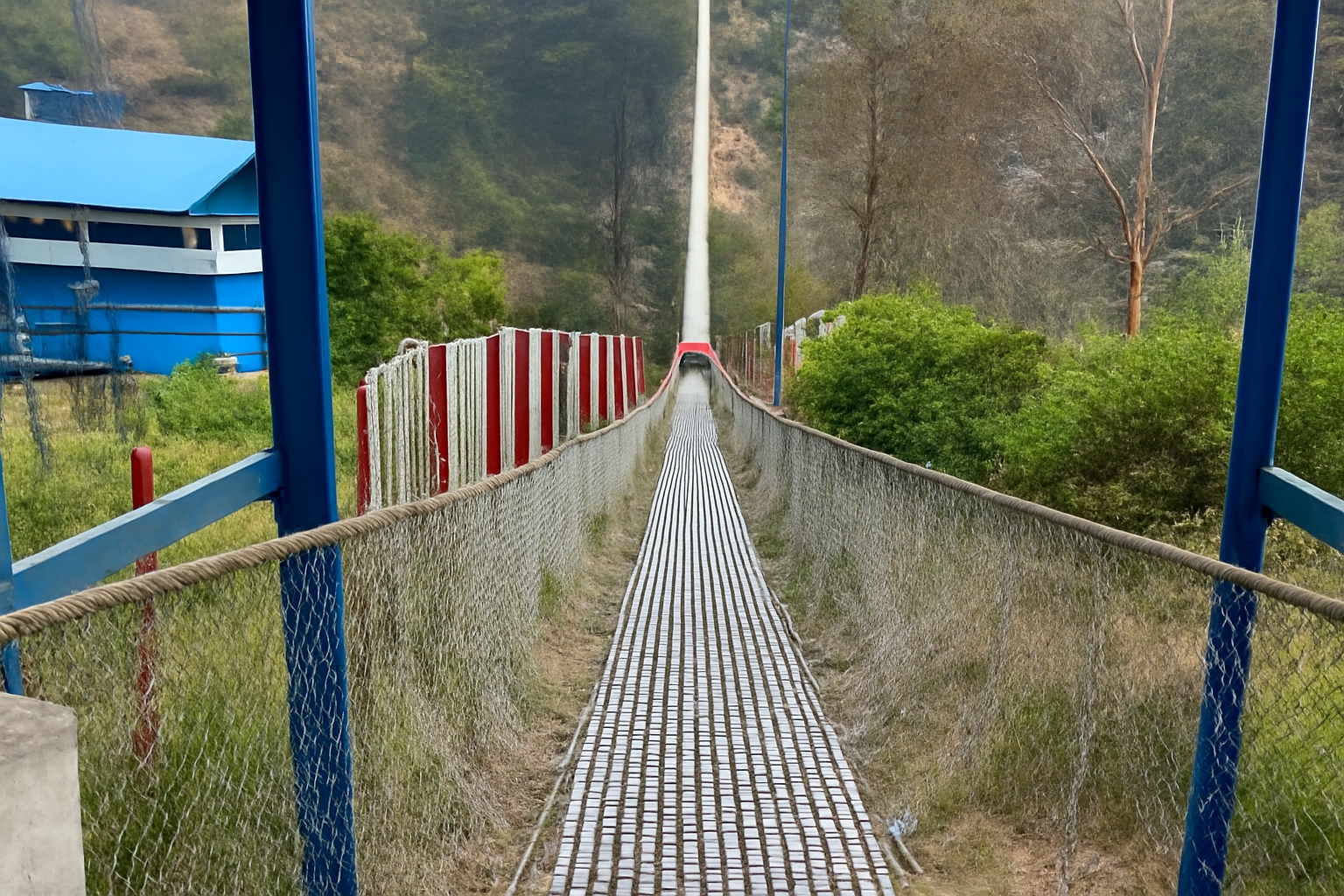
Combines civil engineering with rural development to uplift rural infrastructure, services, and livelihood through integrated solutions.

Covers power systems, generation, and transmission with a mix of electronics like circuits, embedded systems, and automation.

Focused on electronic circuits, communication systems, networking, and the digital tech driving today's connected world.
M.Sc. in Construction Management M.Sc. in Interdisciplinary Water Resources Management M.Sc. in Natural Resources Management M.Sc. in Transportation Engineering and …
Explore detailed academic information for each available program.
short intro
In Nepal, the Bachelor in Architecture (B.Arch) is a five-year program that integrates creative design, technical expertise, and cultural understanding. Unlike civil engineers, who focus primarily on structural integrity, architects are responsible for designing spaces that are not only functional and safe but also aesthetically pleasing and culturally significant. As Nepal modernizes, architects play a crucial role in balancing innovation with tradition, preserving the country’srich heritagewhile addressing modern challenges like sustainability and environmental resilience.
Architecture stands out by focusing on design, aesthetics, and spatial experience, balancing creativity with functionality. Architects envision how a space looks and feels, while civil engineers ensure structural and technical soundness. Architects prioritize flow, materials, sustainability, and user comfort in harmony with cultural and environmental contexts.
Urban Planning: Designing cities and public spaces
Heritage Conservation: Preserving Nepal’s cultural sites
Sustainable Architecture: Eco-friendly, efficient buildings
Interior Design: Shaping inspiring, functional interiors
Landscape Architecture: Designing parks and open spaces
Disaster-Resilient Design: Buildings resistant to earthquakes and floods
Tourism & Hospitality Design: Resorts, hotels, and cultural tourism
Educational & Institutional Design: Schools and learning environments
Notable alumni include Ar. Aman Kumar Maskey (Honorable Minister-Ministry of Physical Infrastrurue Development), Ar. Padma Kumar Mainali (Joint Secretory-Ministry of Urban Development), and Ar. Baburam Bhattarai (City Planning Commission, Kathmandu).
Access admission forms, fee structures, notices, syllabi and other important documents.
kjghfhwaegrhwgt hjvgrhgf4ht
jkabfejhvehjwfv
rsyer